Yacht Nina Pope sinks in the South Atlantic; skipper lost, two saved
The skipper could not reach the liferaft. A passing tanker picked up the two crew 2,400 km from Cape Town.
What happened.
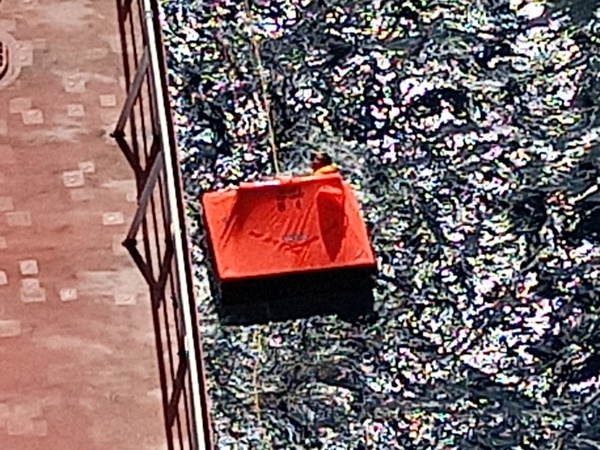
A yacht sank in the South Atlantic on passage from Tristan da Cunha to Cape Town. Distress-beacon signals guided a passing tanker to two crew in a liferaft in strong winds and 8 m swells. The skipper did not reach the raft and died.
On 14 March 2024 a yacht with three aboard sank while sailing from Tristan da Cunha to Cape Town. A later survivor account published by Tristan da Cunha described a collision with a large floating object and flooding that overwhelmed the bilge pump. Satellite distress signals and an EPIRB guided a diverted tanker to the liferaft. Two crew were recovered in winds of up to 74 km/h and swells up to 8 m; neither required medical assistance. The skipper did not survive. The survivors were landed at Cape Town on 18 March.
What it teaches.
- 1Rehearse getting everyone into the raft.
- 2Far offshore, an EPIRB is what sends help. It brought a tanker to this liferaft, more than 2,000 km from land.
- 3Wear a lifejacket and use a safety tether on deck, but practise releasing or cutting it quickly and transferring safely into the liferaft.
These lessons are SeaWise's reading of the published reports and news coverage, written so other sailors can learn. They are not official findings on cause or fault, and they don't judge the people involved.
Procedures involved.
Learn from the next one.
One free email a week from the Fleet's Logbook: the new incidents and what they teach. Unsubscribe anytime.
Where this comes from.
SeaWise indexes and links to primary sources; it does not host their reports or media. Crew are referred to by role unless documented consent is on file.
More like this.
Share your story.
SeaWise records are richer when survivors and crewmates contribute what they remember. Submissions are private by default — your name and contact never appear on the public record.
Submit a story