Spirit WatcherSailboat drifts out of Oregon Inlet channel at night, grounds and floods
The two men stayed aboard to wait for salvage at first light. At 2 a.m. they called back: they believed the keel had split and she was taking on water.
What happened.
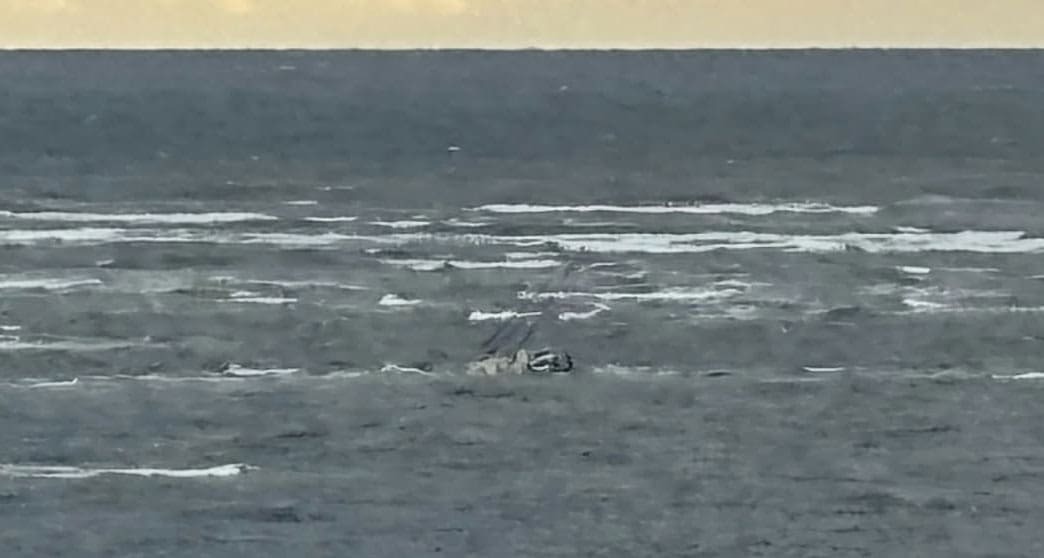
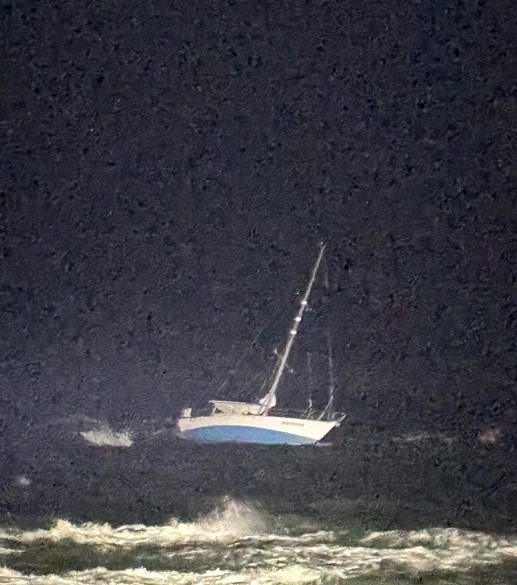
Trying to enter Oregon Inlet on a Sunday night, the sailboat Spirit Watcher drifted outside the channel and ran aground near the Pea Island groin. The Coast Guard judged it safest for the two men to stay aboard until salvage at first light. At 2 a.m. they reported a split keel and water coming in, and a helicopter lifted them off.
Spirit Watcher had been anchored off Kitty Hawk, North Carolina, over the weekend. On the evening of Sunday 15 November 2026 she tried to enter Oregon Inlet, drifted outside the channel and went aground on its south side, near the terminal groin at the northern end of Pea Island. The crew called Coast Guard Sector North Carolina on VHF at 20:04. A boat from Station Oregon Inlet came out and assessed the scene; with no one hurt, the decision was that the two men would stay aboard overnight and a commercial salvor would try to refloat her in the morning. At 02:10 on Monday they called again: they believed the keel had split and the boat was taking on water. The water was too shallow for a boat rescue, so an MH-60 Jayhawk from Air Station Elizabeth City hoisted both men off. They were taken to hospital for observation and did not appear to have significant injuries. The local salvor described the boat's position as precarious, and photos showed her sunk in the inlet. A salvage plan was being developed.
What it teaches.
- 1Unfamiliar inlet at night? Wait for daylight.
- 2A keelboat pounding on a bar can crack the keel or its hull joint. After any hard grounding, check the keel bolts and bilge every few minutes, and treat new water as an emergency.
- 3Staying aboard a grounded boat can be the right call, but agree a check-in plan with the Coast Guard and keep lifejackets on and grab bag ready all night.
These lessons are SeaWise's reading of the published reports and news coverage, written so other sailors can learn. They are not official findings on cause or fault, and they don't judge the people involved.
Procedures involved.
Learn from the next one.
One free email a week from the Fleet's Logbook: the new incidents and what they teach. Unsubscribe anytime.
Where this comes from.
SeaWise indexes and links to primary sources; it does not host their reports or media. Crew are referred to by role unless documented consent is on file.
More like this.
Share your story.
SeaWise records are richer when survivors and crewmates contribute what they remember. Submissions are private by default — your name and contact never appear on the public record.
Submit a story