KODADismasted yacht off Vanuatu is refuelled at sea by a cargo ship
Three aboard KODA, including a 15-year-old, set off their beacon 120 km west of Efate after losing the mast and their power.
What happened.
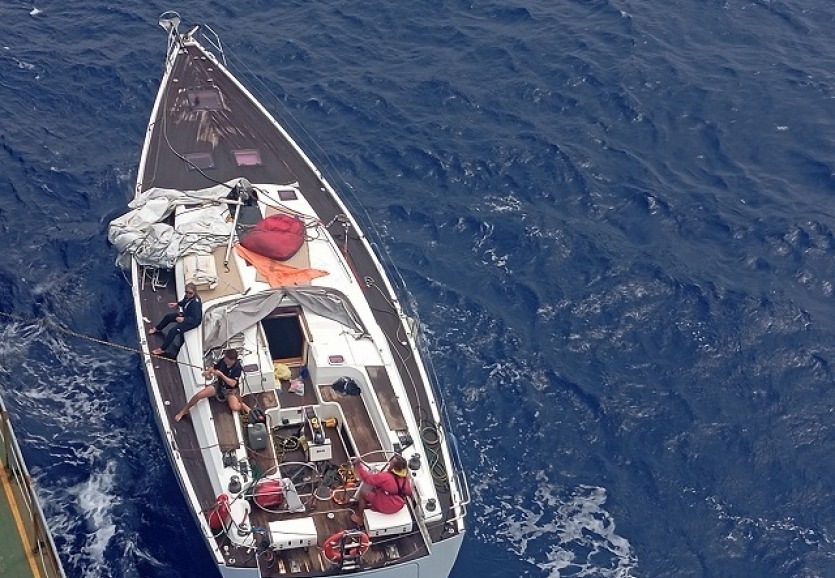
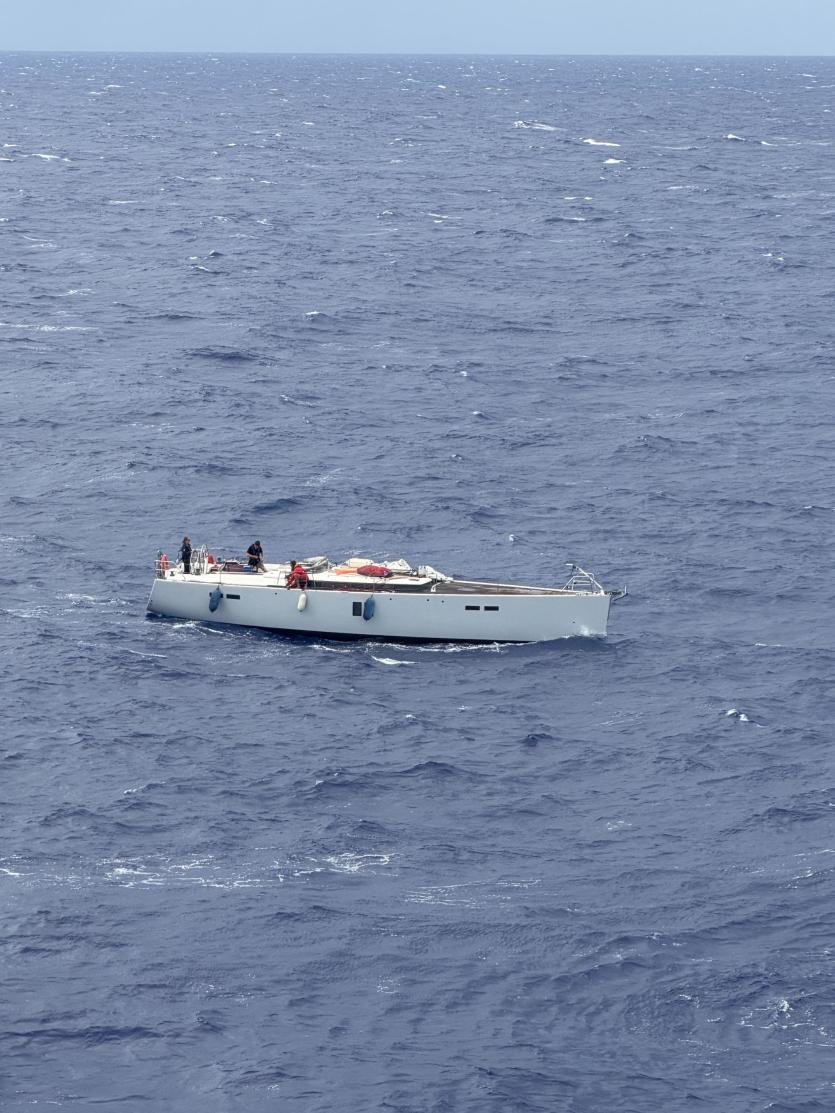
The Australian yacht KODA lost her mast and her electrical power about 120 kilometres west of Efate, Vanuatu, with three people aboard, among them a 15-year-old. Motoring slowly for Port-Vila, she would have run out of fuel before arriving. The crew set off their beacon, and a diverted cargo ship refuelled them at sea.
Around 07:00 on Monday 23 November 2026, the New Caledonia rescue centre in Noumea picked up a distress beacon from the 16-metre Australian sailing yacht KODA, about 120 kilometres west of Efate in Vanuatu. Aboard were an Australian man in his sixties, a New Zealand woman in her fifties and a 15-year-old Australian. A French Navy Gardian aircraft reached the yacht around 10:30 and found she had lost her mast and her means of generating electricity. She was motoring towards Port-Vila at low speed, but did not have the fuel to get there. The rescue centre diverted the cargo ship Ocean Draco, which refuelled KODA around 13:45, and a Vanuatu police vessel was also involved. Nobody was hurt, and the yacht resumed her passage, expected in Port-Vila overnight. A few days earlier the crew had called the centre for navigation information while crossing New Caledonia's northern lagoon and reported no problems. What brought the mast down has not been reported.
What it teaches.
- 1Know your range under engine alone.
- 2Without a mast the engine is your only drive, and without charging it may be your only power too. Ration both from the first hour.
- 3Call for help while you still have fuel and choices. A ship can bring fuel far more easily than it can take you off.
- 4Register your distress beacon. KODA's was not registered, which cost the rescue centre time identifying the yacht and the three people aboard.
These lessons are SeaWise's reading of the published reports and news coverage, written so other sailors can learn. They are not official findings on cause or fault, and they don't judge the people involved.
Procedures involved.
Learn from the next one.
One free email a week from the Fleet's Logbook: the new incidents and what they teach. Unsubscribe anytime.
Where this comes from.
SeaWise indexes and links to primary sources; it does not host their reports or media. Crew are referred to by role unless documented consent is on file.
More like this.
Share your story.
SeaWise records are richer when survivors and crewmates contribute what they remember. Submissions are private by default — your name and contact never appear on the public record.
Submit a story