Horta Lifeguard Station rescues sailboat crew stranded in Faial
What happened.
In the early hours of Sunday 21 June 2026, a French sailor alone aboard his yacht grounded on the rocky southwest coast of Faial in the Azores, between Varadouro and Morro de Castelo Branco. He alerted the Ponta Delgada rescue centre around 04:00 and climbed onto nearby rocks; with the sea too rough for an immediate pickup, the Horta lifeboat took him off at 08:45. Exhausted, he was taken to hospital. He survived.
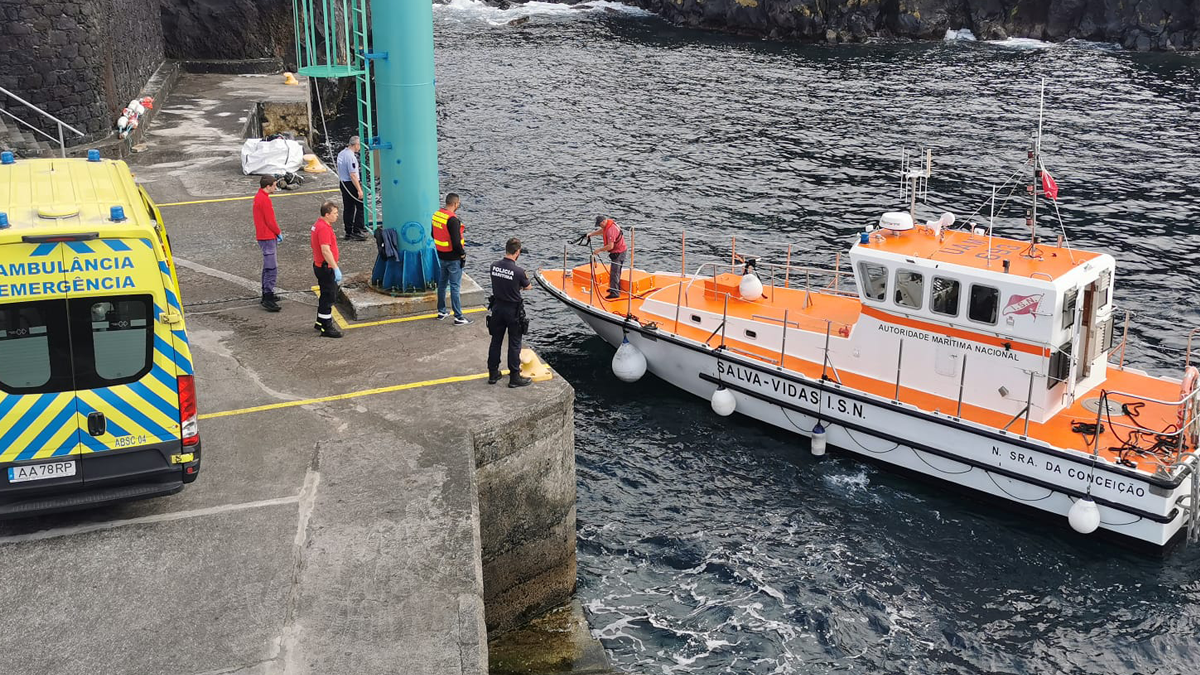
In the early hours of Sunday 21 June 2026, a French-flagged sailing yacht with a single sailor aboard — a 57-year-old Frenchman — got into difficulty and grounded on the rocky southwest coast of Faial, in the Azores, on the stretch between Varadouro and Morro de Castelo Branco. At around four in the morning he alerted the Ponta Delgada Maritime Search and Rescue Centre that his boat was in trouble, and the Horta Lifesaving Station was activated about thirteen minutes later. By the time the lifeboat crew reached the scene, the sailor had managed to get himself off the yacht and onto nearby rocks. The weather and sea conditions were too poor for an immediate pickup, however, and it was not until 08:45 — more than four hours after his first call — that the crew were able to take him off the rocks and land him at the port of Varadouro. Exhausted, he was treated and then driven by Faial's volunteer firefighters to the hospital in Horta for a check-up. He survived. The yacht was left aground, and the maritime authority formally notified its owner of the duty to present a plan for its removal. A night landfall on a hard, exposed coast had ended with the boat lost but the sailor alive.
What it teaches.
- 1A rocky lee shore at night is a top hazard, and single-handing means no second pair of eyes. Plan a coastal night passage with offshore searoom, set depth and cross-track alarms, and don't close an unlit, rocky coast in the dark. Near a lee shore, the moment something goes wrong you have very little time and room to fix it.
- 2Raise the alarm early, by name and position. This sailor called the rescue centre as soon as he was in trouble, so the lifeboat launched within minutes. Carry a DSC VHF, EPIRB or PLB, and send a clear distress alert with your position before the situation worsens — it is the single biggest factor in being found quickly.
- 3Once you are safely ashore or on rocks, stay put and wait for a safe pickup. Conditions here were too rough to take him off for over four hours; trying to swim or re-board would have been far more dangerous. Get clear of the surf line, make yourself visible, conserve warmth and energy, and let the rescuers choose their moment.
These lessons are SeaWise's reading of the published reports and news coverage, written so other sailors can learn. They are not official findings on cause or fault, and they don't judge the people involved.
Procedures involved.
Learn from the next one.
One free email a week from the Fleet's Logbook: the new incidents and what they teach. Unsubscribe anytime.
Where this comes from.
SeaWise indexes and links to primary sources; it does not host their reports or media. Crew are referred to by role unless documented consent is on file.
More like this.
Share your story.
SeaWise records are richer when survivors and crewmates contribute what they remember. Submissions are private by default — your name and contact never appear on the public record.
Submit a story